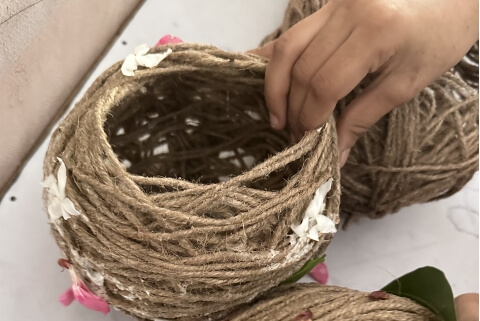
Aimed at building and providing nests to the birds who are losing habitats amidst urbanisation.
Home
Single Course
About Nature’s Nest
Aimed at building and providing nests to the birds who are losing habitats amidst urbanisation.
I founded Nature Nests with the simple belief that every child deserves the chance to experience the wonder of birds and the natural world. Growing up, I found joy in observing bird behavior, photographing rare species, and building small ways of connecting with nature. But I also realized that many children, especially those from underserved backgrounds, rarely get the chance to see birds up close or understand the role they play in our environment. Nature Nests began as my way of bridging that gap.
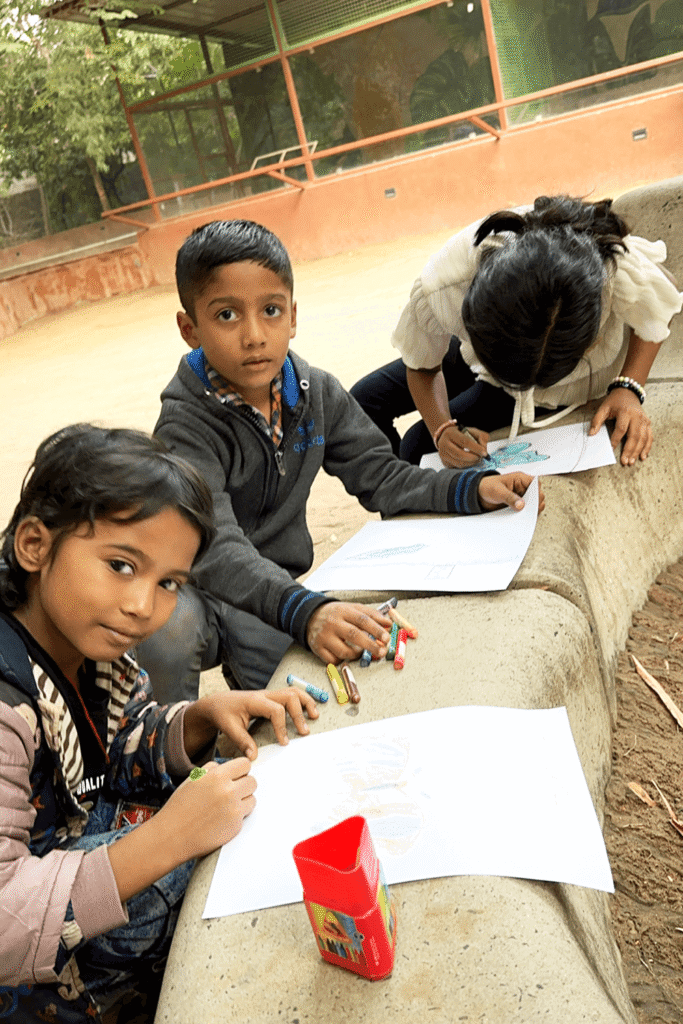
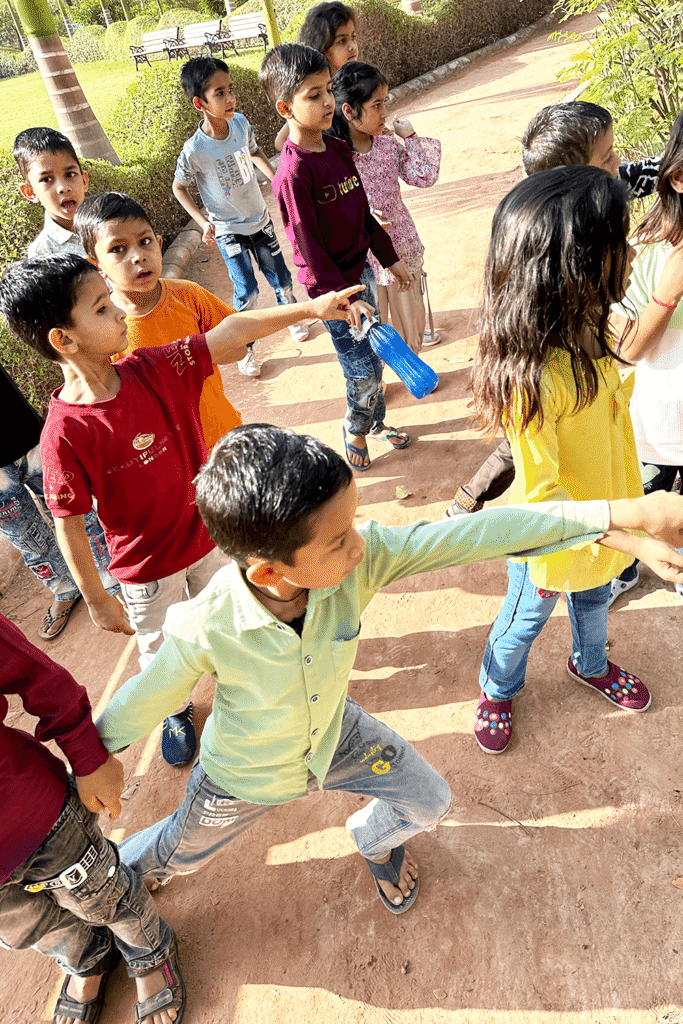
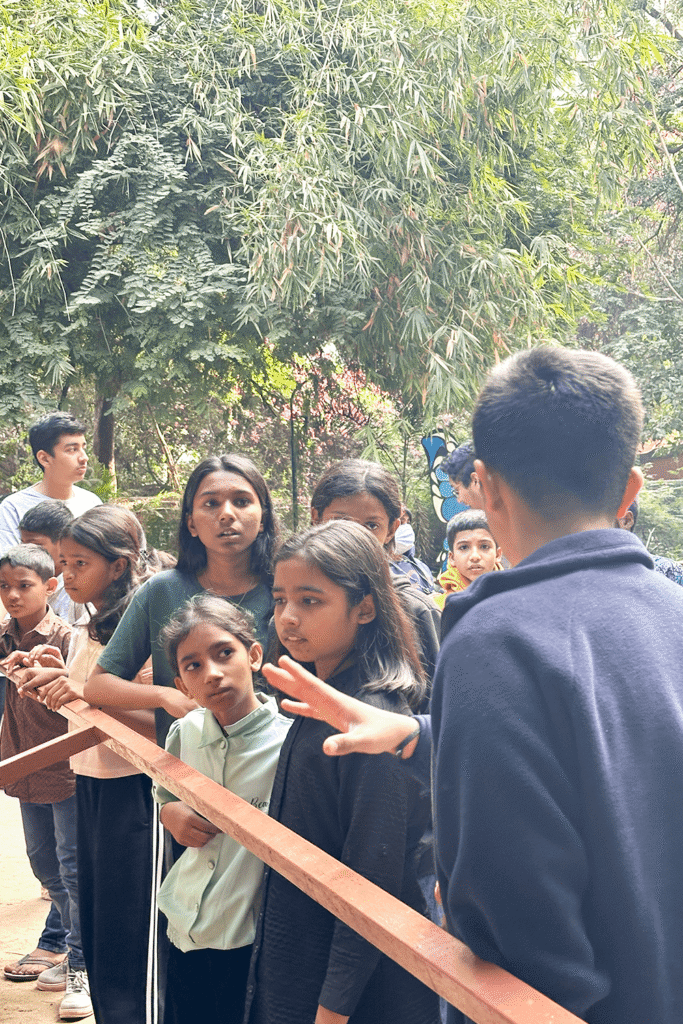
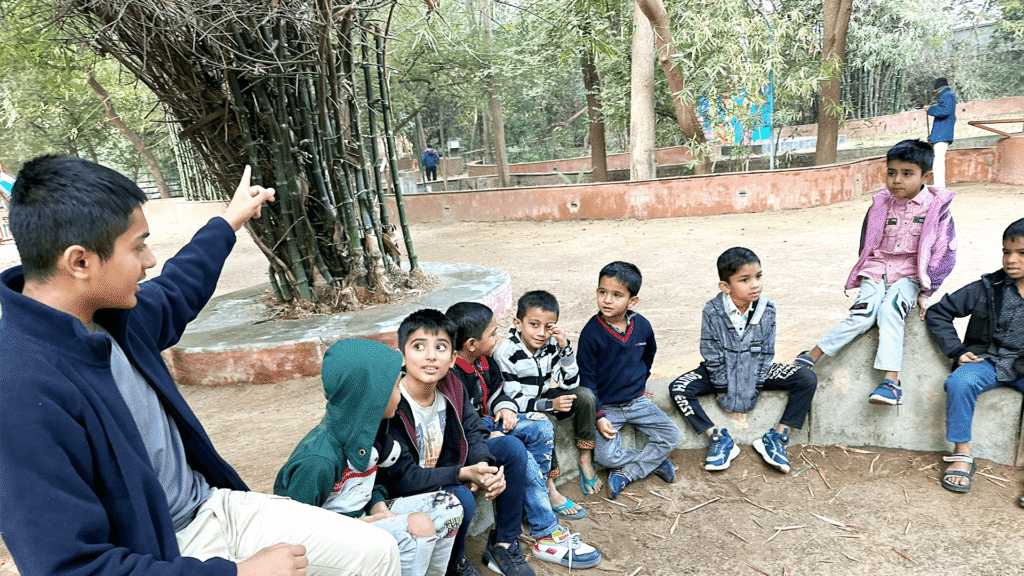
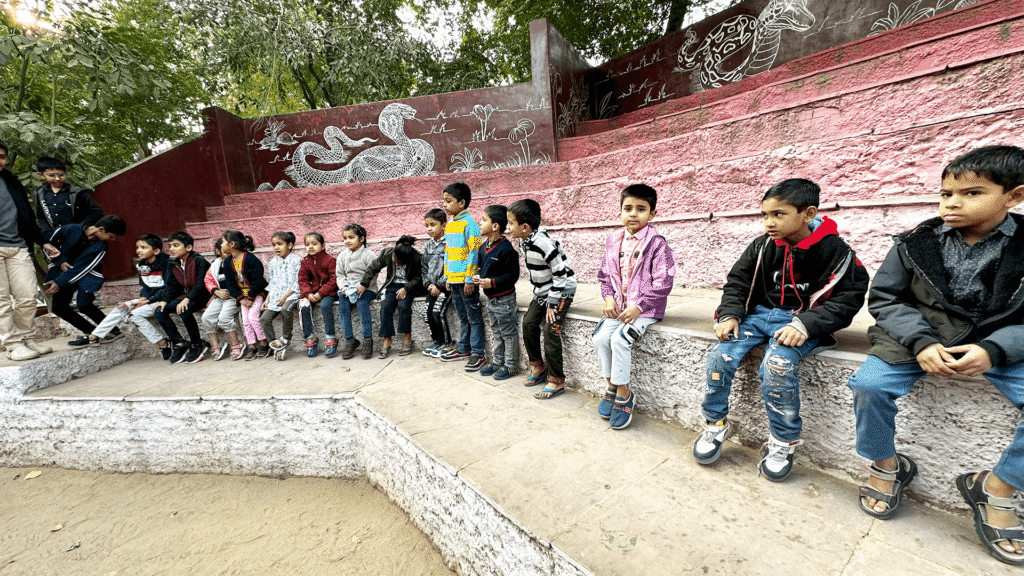
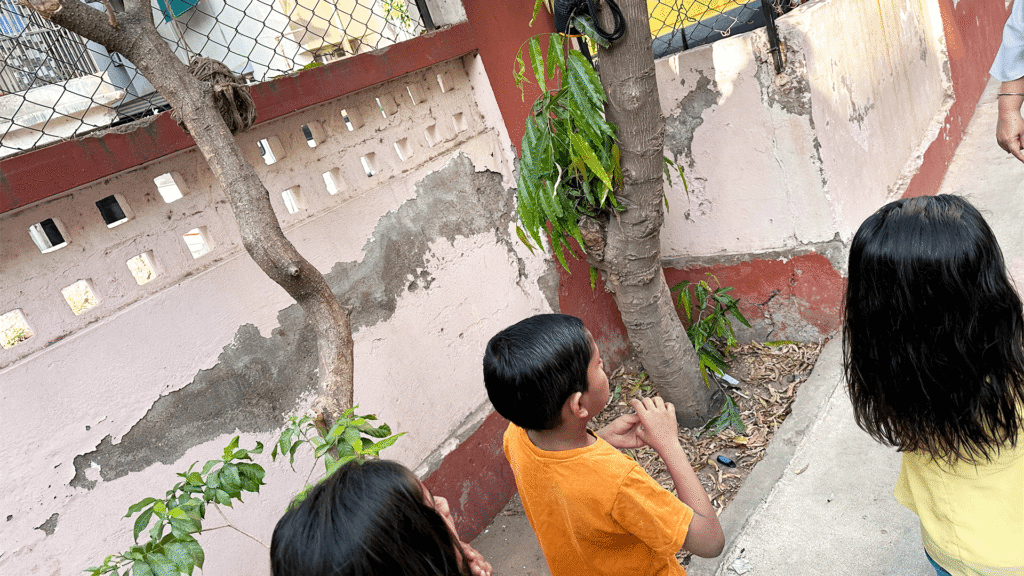
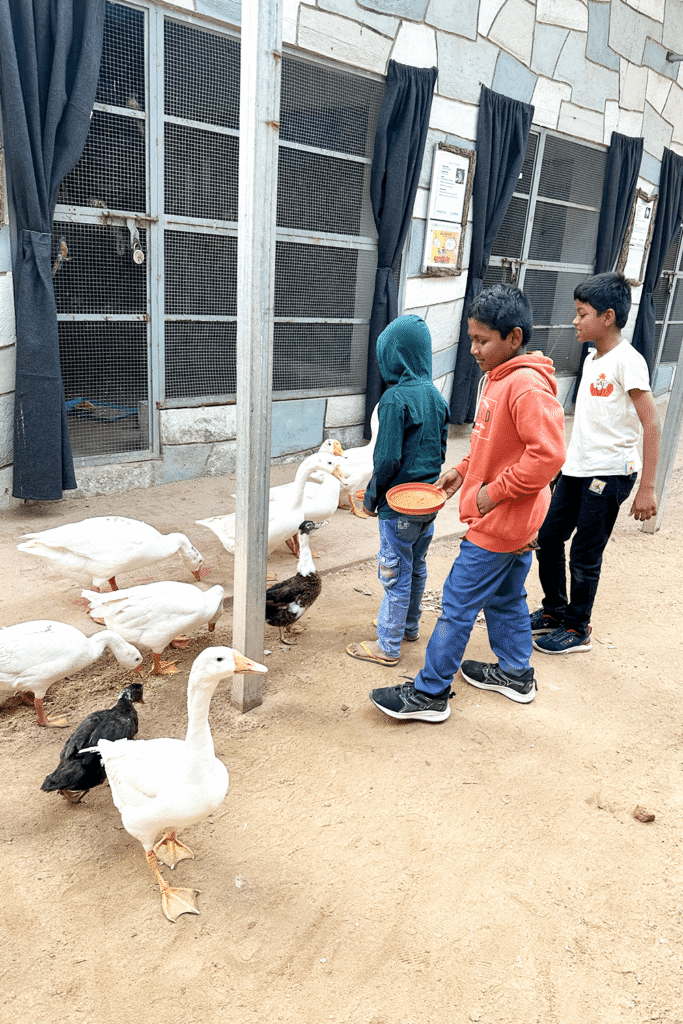
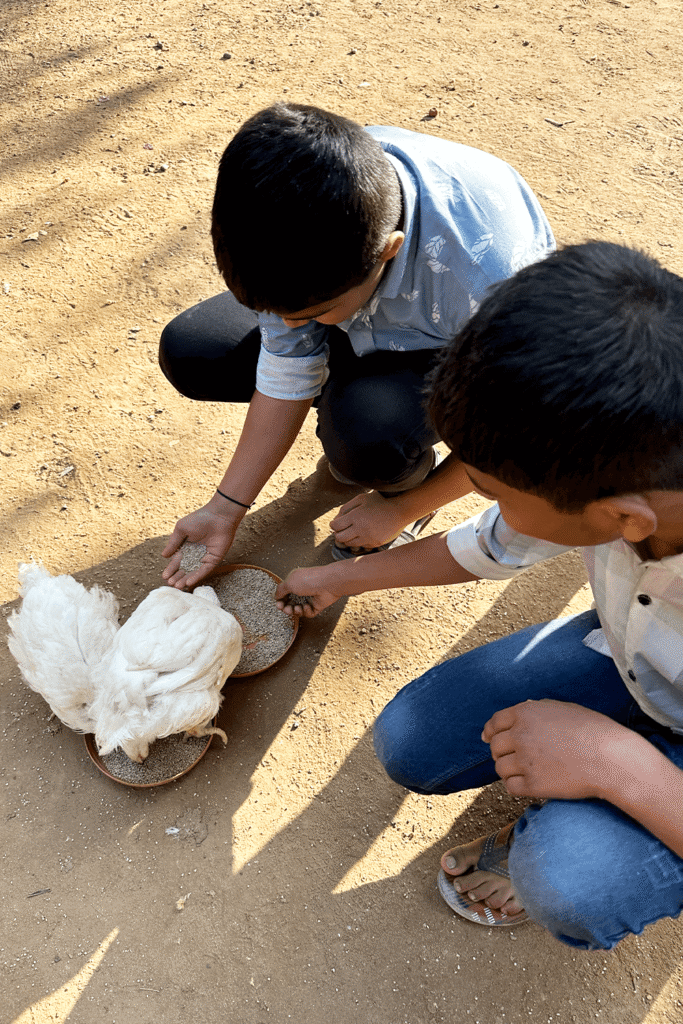
Our first initiative was with a batch of 45 children from Visamo. Together, we explored nature parks, bird sanctuaries, and local oxygen parks—places like Sundervan that are teeming with birdlife. On every trip, I saw their curiosity grow: each new bird they learned to name sparked excitement, and each nest they built became something they proudly revisited, observing the birds that returned to it. These trips weren’t just about sightseeing; they were about helping children develop a relationship with nature that could last a lifetime.
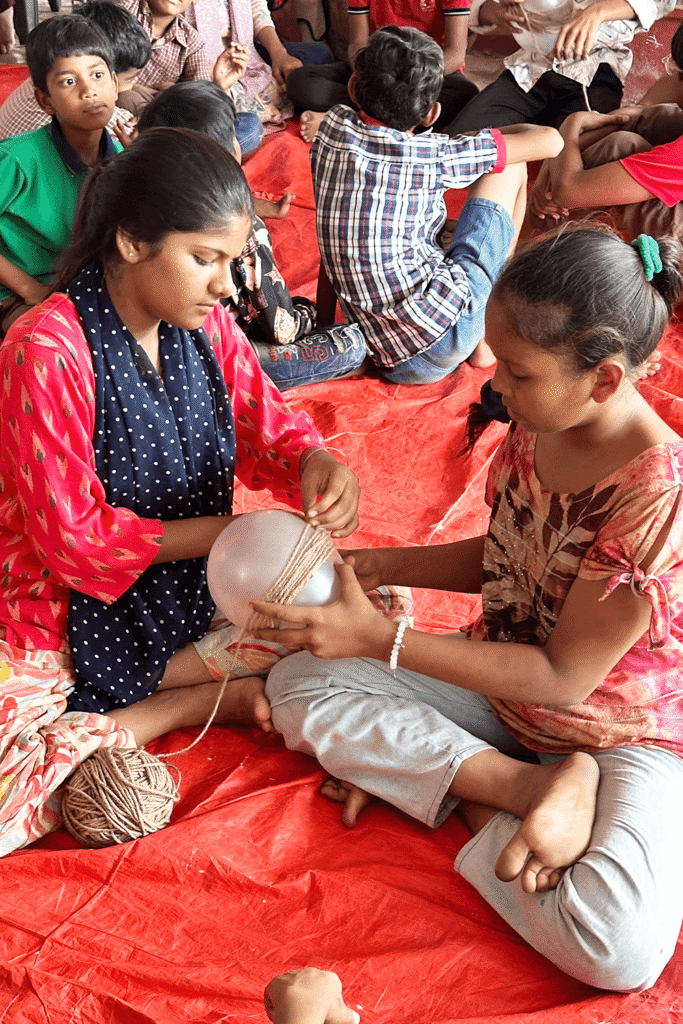
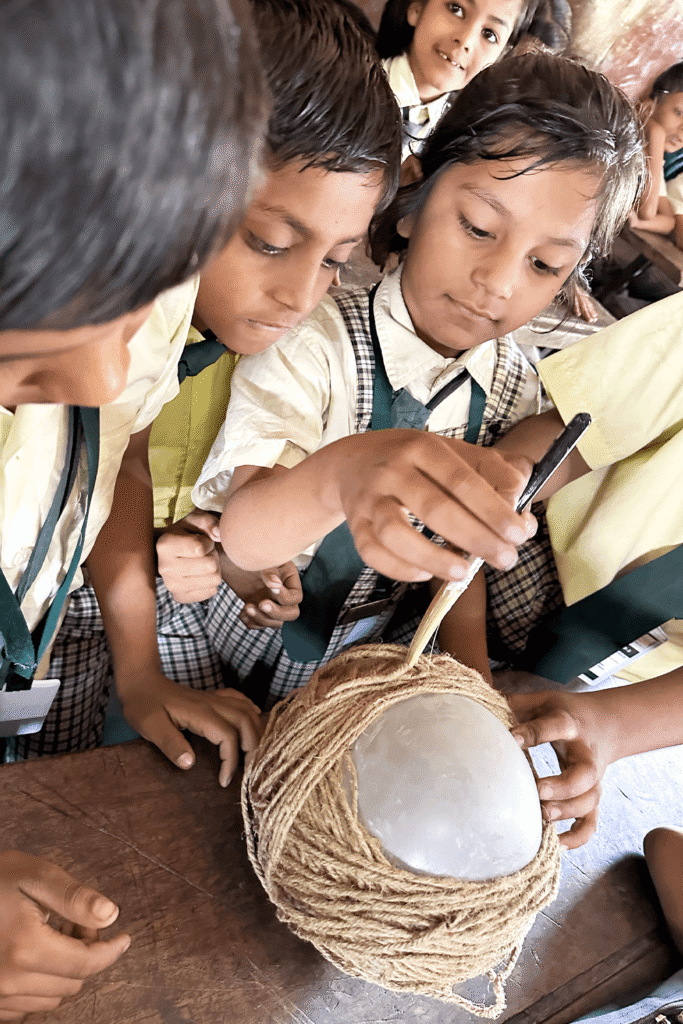
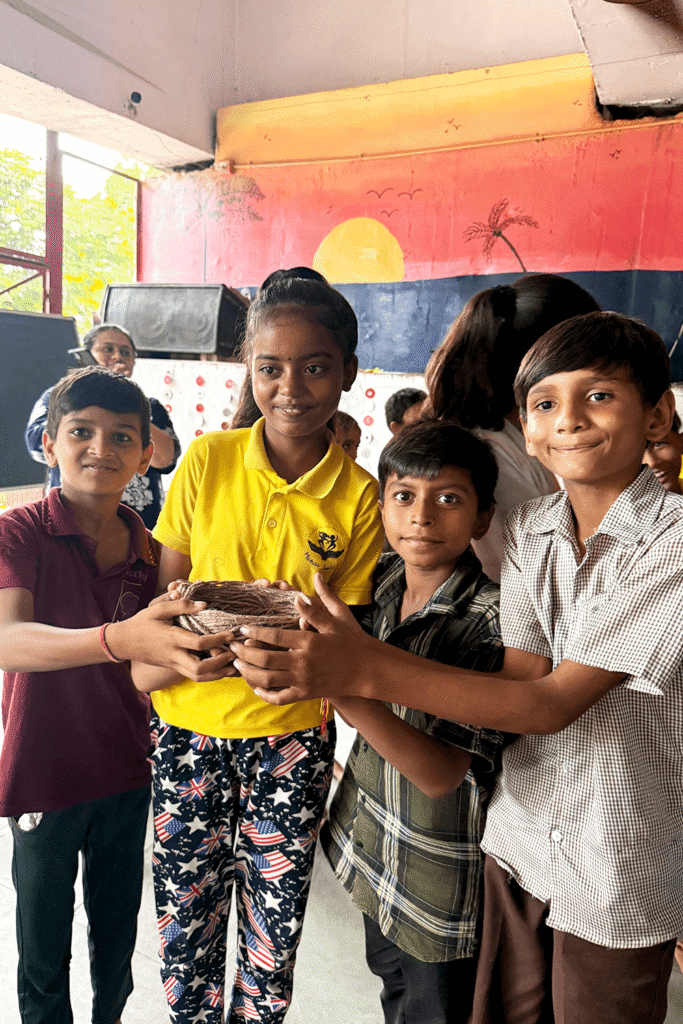
The project soon expanded beyond field trips. We began conducting nest-making workshops in schools, reaching over 1,000 children across 18 institutions. These sessions became more than just craft activities—they inspired action. Students began choosing softer kite threads during Uttrayan to protect birds, setting out bowls of water during hot summers, and building their own nests at home. For me, these small changes were the clearest sign of success: the children were taking ownership of the lessons they learned and applying them in their everyday lives.
Today, Nature Nests stands as a growing movement that combines education, creativity, and empathy. By blending field experiences with hands-on activities, we aim to build not just awareness but also responsibility—a generation of children who see birds not as distant creatures but as neighbors worth protecting. With more than a dozen trips completed and over a thousand young lives touched, the journey so far has shown me that when children are given the chance to connect with nature, they don’t just learn—they begin to care, and caring is the first step to change.
Learners must have a personal computer
Vokalia and Consonantia, there live
Far far away, behind the word mountains,
Learners must have a personal computer
Far far away, behind the word mountains,
Vokalia and Consonantia, there live
Learners must have a personal computer
Far far away, behind the word mountains, far from the countries Vokalia and Consonantia, there live the blind texts. Separated they live in Bookmarksgrove right at the coast of the Semantics, a large language ocean. A small river named Duden flows by their place and supplies it with the necessary regelialia. It is a paradisematic country